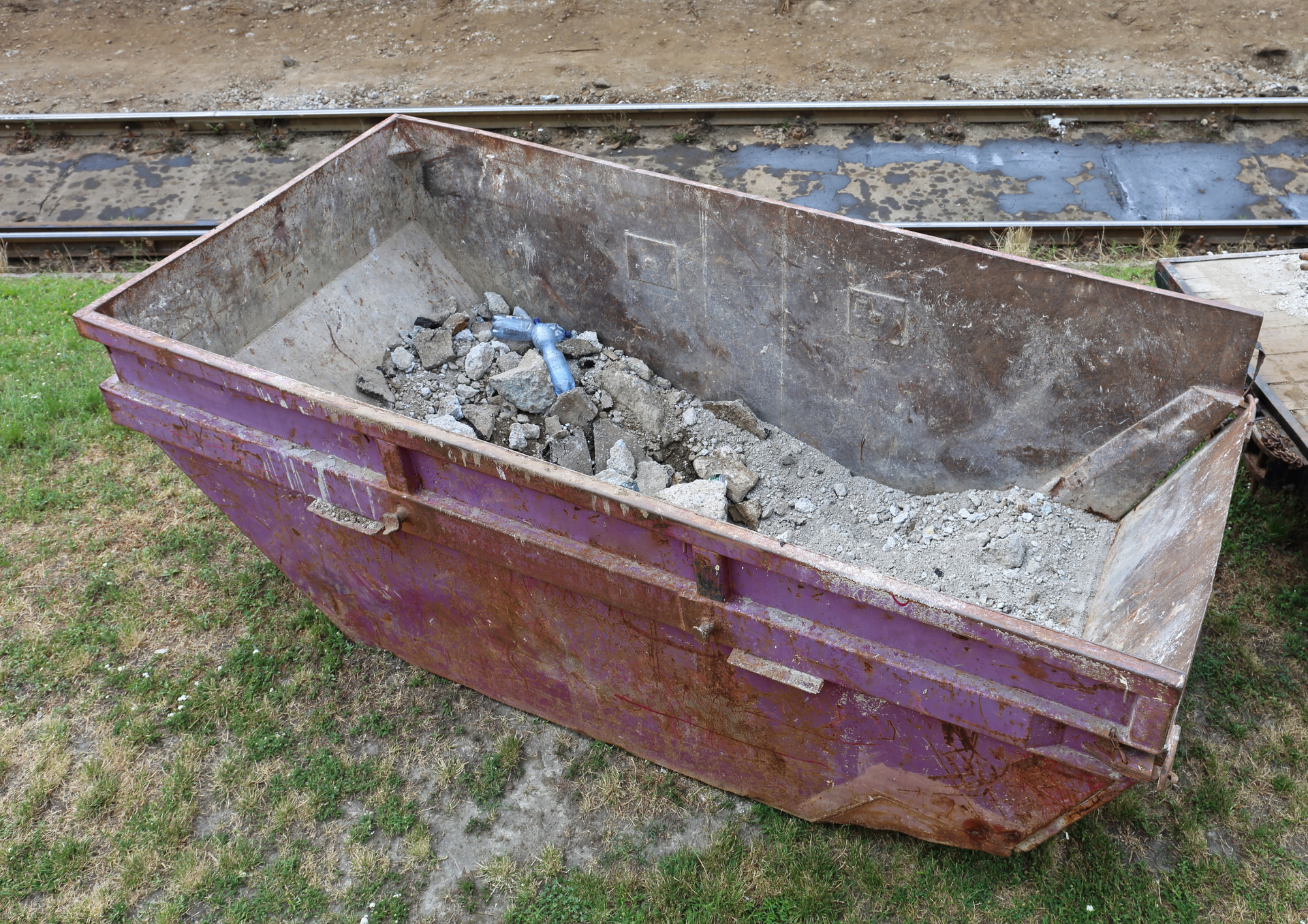

Mini Skip Hire for Small Home Renovations and Waste Clearance Jobs
Home improvements can make a significant difference to the appearance, comfort and functionality of a property. However, even relatively small projects can generate more waste than expected. Removing old flooring, replacing kitchen cupboards, clearing a garage or refreshing a garden can quickly produce materials that need somewhere suitable to go. Without an organised approach, unwanted items may accumulate in working areas, restrict access and make otherwise straightforward tasks more difficult.
For homeowners, landlords, property managers and contractors, mini skip hire offers a practical way to manage smaller quantities of waste without arranging unnecessarily large containers. Having a dedicated place for unwanted materials helps maintain a tidier environment while allowing renovation and clearance work to progress more efficiently.
Properties in Solihull range from compact terraced houses and modern developments to larger detached homes and commercial premises. Each presents different considerations when arranging waste removal, particularly where driveway space, access restrictions or nearby roads influence delivery arrangements. Understanding these factors before beginning a project can make the entire process more manageable.
The most suitable waste solution depends on several considerations, including the amount of material being removed, its weight, the available space and the expected duration of the work. Rather than choosing a container based solely on appearance or convenience, it is worth assessing the project carefully and considering how waste will accumulate throughout each stage.
Understanding When Smaller Skips Are Suitable for Home Improvements
Not every renovation requires a large waste container. Smaller projects often generate manageable quantities of rubbish that can be collected in a compact skip, provided the materials are suitable and the expected volume has been assessed beforehand.
Choosing small skip hire can be particularly useful when available space is limited or when a project involves one room, a small outdoor area or a straightforward property clearance. Understanding which jobs are suitable helps prevent unnecessary expenditure and reduces the likelihood of arranging additional collections.
Kitchen and Bathroom Improvements
- Kitchen cupboard replacement: Removing damaged units, old worktops, shelving and packaging can generate substantial waste, even when the room itself is relatively small.
- Bathroom refurbishment: Replacing fittings, tiles and storage units often creates mixed materials that require careful handling and appropriate disposal arrangements.
- Minor upgrades: Replacing cupboard doors, splashbacks or selected fixtures may produce smaller quantities of waste that can be managed with a compact container.
- Material restrictions: Heavy rubble, tiles and plasterboard may be subject to specific loading or segregation requirements, so these should be discussed before booking.
Bedroom and Living Room Renovations
- Flooring replacement: Old laminate, carpet underlay, damaged floorboards and associated packaging can occupy considerable space.
- Decorating projects: Wallpaper, broken shelving, unwanted fixtures and general renovation debris can accumulate throughout the work.
- Furniture removal: Small furniture items and dismantled fittings may be suitable, although bulky pieces can quickly use the available capacity.
- Room-by-room improvements: Completing one area at a time makes it easier to estimate the amount of waste requiring removal.
Garage, Loft and Storage Clearances
- Garage organisation: Broken household equipment, damaged storage units and general clutter can be removed to create more usable space.
- Loft clearances: Old boxes, unwanted belongings and lightweight materials may be suitable for a smaller container.
- Shed clearances: Damaged timber, shelving and garden accessories can often be removed together, subject to acceptance requirements.
- Careful sorting: Separating reusable items and materials requiring specialist disposal helps prevent unnecessary loading.
Garden and Outdoor Maintenance
- Garden tidy-ups: Leaves, branches, hedge cuttings and unwanted garden materials can build up quickly during seasonal maintenance.
- Fence replacement: Old panels, timber posts and damaged garden structures may require a dedicated disposal solution.
- Landscaping improvements: Soil, turf and paving materials should be assessed carefully because their weight can exceed the permitted load.
- Outdoor storage: Removing broken planters, shelving and garden fixtures can help restore useful space.
The key is to estimate the waste realistically rather than assuming that a small project will always produce a small amount of rubbish. Careful planning helps ensure the selected container can accommodate the materials safely and efficiently.
Choosing the Correct Container Size and Understanding Capacity
Selecting a suitable container involves more than estimating how much rubbish will fit inside. Waste type, material weight, available space and the expected duration of the project all influence the decision.
A mini skip is commonly associated with compact containers of approximately two or three cubic yards, although the sizes offered can vary between providers. These are often appropriate for smaller household tasks where the waste volume is relatively limited.
A two-yard container may suit a modest garage clearance, garden tidy-up or decorating project. A three-yard option can provide additional capacity for slightly larger improvements without requiring the space occupied by a standard builder's skip. However, customers should confirm the actual dimensions and permitted load before making arrangements.
One important consideration is the difference between volume and weight. Lightweight materials such as cardboard, packaging and small household items can occupy considerable space without being particularly heavy. Conversely, bricks, soil, concrete and ceramic tiles may reach the permitted weight limit long before the container appears full.
This distinction is especially important during bathroom renovations and garden improvements, where dense materials can accumulate rapidly. A provider may recommend a different container or a separate arrangement for particularly heavy waste.
Another consideration is the shape of the materials being removed. Long pieces of timber, dismantled furniture and large fixtures can leave unused gaps when placed inside a container. Breaking down suitable items safely, where practical, can help make better use of the available capacity.
Customers should also consider whether their project will produce additional waste as work progresses. Removing kitchen cupboards, for example, may reveal damaged flooring or wall materials that were not included in the original estimate. Allowing some capacity for unexpected waste can reduce the need for another collection.
The location of the container also affects suitability. A compact skip may fit comfortably on a private driveway, but customers should still check the available width, overhead clearance and access for the delivery vehicle. Narrow entrances, parked vehicles, low branches and restricted turning areas can make positioning more complicated.
Where a skip needs to be placed on a public road, the relevant highway permission may be required. In Solihull, customers should check the applicable requirements with the local highway authority or their chosen provider before arranging delivery. Additional conditions may apply to lighting, visibility and positioning.
It is also sensible to consider how the container will be loaded. Positioning it near the working area can reduce the distance required to carry waste, but access routes must remain clear and safe. A convenient location should not obstruct neighbouring properties, pedestrian routes or essential entrances.
For longer renovations, customers may benefit from discussing collection flexibility before booking. If the project takes longer than expected, knowing whether an extension can be arranged helps avoid unnecessary complications.
Ultimately, the right capacity should reflect the actual requirements of the project rather than simply being the smallest available option. Accurate planning helps customers avoid paying for unused space while reducing the risk of needing additional waste removal arrangements.
Planning Delivery, Placement and Collection Efficiently
Organising waste removal before starting work helps reduce disruption and keeps the property easier to manage. Whether the project involves a single room or several areas, considering delivery access, placement and collection arrangements in advance can prevent avoidable difficulties.
People searching for mini skip hire near me should look beyond convenience and consider whether the provider can accommodate their specific site requirements. Clear information about available space, waste materials and project timescales helps ensure suitable arrangements are made.
Preparing the Delivery Area
- Measure the available space: Check the width and length of the intended placement area, allowing sufficient room for the container and delivery vehicle.
- Remove obstacles: Move parked vehicles, loose materials and other obstructions before the scheduled arrival.
- Check overhead clearance: Trees, cables and structures may affect the delivery vehicle's ability to position the container.
- Protect vulnerable surfaces: Discuss driveway conditions with the provider, particularly where decorative paving or older surfaces may require additional consideration.
Managing Waste During the Project
- Separate materials: Keep reusable items, recyclable materials and unsuitable waste apart wherever practical.
- Load evenly: Distribute materials throughout the container rather than concentrating heavy items in one area.
- Respect filling limits: Avoid placing waste above the permitted loading level, as overfilled containers may be unsuitable for collection.
- Check prohibited items: Paints, chemicals, batteries, electrical equipment and certain other materials may require separate disposal arrangements.
Arranging Suitable Collection Times
- Plan around project completion: Estimate when the main clearance or renovation work will finish.
- Avoid unnecessary delays: Arrange collection once the container is ready rather than allowing it to occupy valuable space longer than required.
- Discuss schedule changes: Inform the provider if unexpected building work or additional waste affects the original arrangements.
- Maintain collection access: Ensure the delivery vehicle can return and remove the container without obstruction.
Considering Neighbours and Shared Spaces
- Keep access routes clear: Avoid blocking entrances, pavements, shared driveways or essential vehicle routes.
- Reduce disruption: Where practical, arrange deliveries and collections at suitable times.
- Consider nearby properties: Choose a placement location that minimises inconvenience to neighbours.
- Follow local requirements: Confirm whether additional permissions or safety measures are needed for roadside placement.
Good preparation helps make waste removal a straightforward part of the project rather than an additional problem requiring attention. Even small improvements benefit from clear arrangements and an understanding of how the container will be used.
Comparing Waste Removal Options and Managing Overall Costs
Affordability is an important consideration when planning home improvements, particularly where materials, labour and unexpected repairs already place demands on the budget. However, choosing a waste removal service solely because it has the lowest advertised charge may not provide the best overall value.
When researching small skip bin hire, customers should compare the complete service rather than focusing only on the container size. Delivery, collection, hire duration, waste restrictions and any additional requirements can all influence the final amount payable.
The first consideration is whether the quoted price includes both delivery and collection. Some providers present a straightforward combined charge, while others may have different arrangements depending on the location, duration or type of waste. Asking for a clear breakdown helps customers understand what is included.
Hire duration also matters. A weekend decorating project may require only a short booking, whereas a kitchen refurbishment could take considerably longer. Choosing a suitable period from the outset can help avoid additional charges or unnecessary scheduling changes.
Customers should also compare the accepted waste types. A container suitable for general household rubbish may not be appropriate for certain building materials, electrical equipment or hazardous substances. Confirming these restrictions before booking helps prevent problems during collection.
For homeowners undertaking several small improvements, it may be more economical to coordinate the work so that one container can accommodate waste from multiple tasks. Clearing a garage, replacing shelving and tidying a garden within the same hire period can reduce the need for separate arrangements, provided the total load remains within the permitted limits.
Landlords and property managers may find a similar approach useful when preparing rental accommodation between tenancies. Coordinating minor repairs, furniture removal and general clearance work can help keep the property organised while reducing unnecessary disruption.
Surveyors and contractors overseeing refurbishment work may need to consider site accessibility, loading restrictions and the sequence of different trades. Discussing these details before booking helps ensure waste removal arrangements support the wider project programme.
Another important factor is responsible waste handling. Customers should check that the provider uses appropriate disposal arrangements and can explain how materials are managed after collection. In England, checking a waste carrier's registration through the Environment Agency can also support informed decision-making.
Clear communication is equally valuable. A provider who explains availability, collection procedures and material restrictions can help customers avoid misunderstandings that may otherwise result in delays or additional work.
Comparing quotations carefully therefore involves considering the complete service, the suitability of the container and the practical requirements of the property. Taking a little time to assess these details can provide better value than selecting an option based on price alone.
Smaller waste containers can provide a practical solution for a wide range of home improvements, from decorating individual rooms to clearing garages, renovating bathrooms and maintaining outdoor spaces. Their compact dimensions make them particularly useful where available space is limited, provided the expected waste volume and material weight are assessed carefully.
Successful waste management begins with understanding the project. Estimating the amount of rubbish, identifying any restricted materials and considering the available placement area all help customers choose an appropriate solution. For projects producing relatively modest quantities of waste, mini skip hire can offer a convenient option without requiring more capacity than necessary.
Reliable delivery and collection arrangements are equally important. Clear communication with the provider, suitable access and realistic project timescales help ensure the container can be used efficiently throughout the hire period. These preparations can also reduce the likelihood of additional collections, unexpected costs and disruption during the work.
For homeowners, landlords, surveyors, local authorities and those managing residential or commercial properties, the most effective approach combines careful planning with responsible disposal practices. Taking time to compare services, understand loading restrictions and organise collections can make even demanding improvement projects more manageable.
Whether the work involves a modest household clearance or a series of property upgrades, choosing suitable waste removal arrangements helps maintain organised spaces and allows attention to remain focused on completing the project successfully.
Solihull Skip Hire provides practical information and waste removal solutions for homeowners, landlords, property managers, surveyors, local authorities and businesses throughout Solihull and surrounding areas. We understand that smaller renovation and clearance projects require straightforward arrangements, suitable equipment and clear communication from the initial enquiry through to collection.
Our approach to mini skip hire focuses on helping customers understand their options before making a booking. We aim to provide useful guidance on container capacity, suitable waste materials, placement requirements and collection planning so that customers can make informed decisions based on their individual circumstances.
We also understand that every property presents different practical considerations. Driveway space, vehicle access, project duration and the type of waste being removed can all influence the most suitable arrangement. By discussing these factors clearly, we aim to help customers select an appropriate solution for their requirements.
Our website is designed to make the process easier to understand, with practical guidance and straightforward information that supports responsible waste management. From initial planning to final collection, our focus remains on helping customers approach their projects with greater confidence and organisation.
Check out our latest X update exploring the benefits of
mini skip hire for small home renovations and waste clearance jobs!
You might also like