
Skips for Roofing Waste and Construction Debris Removal Today
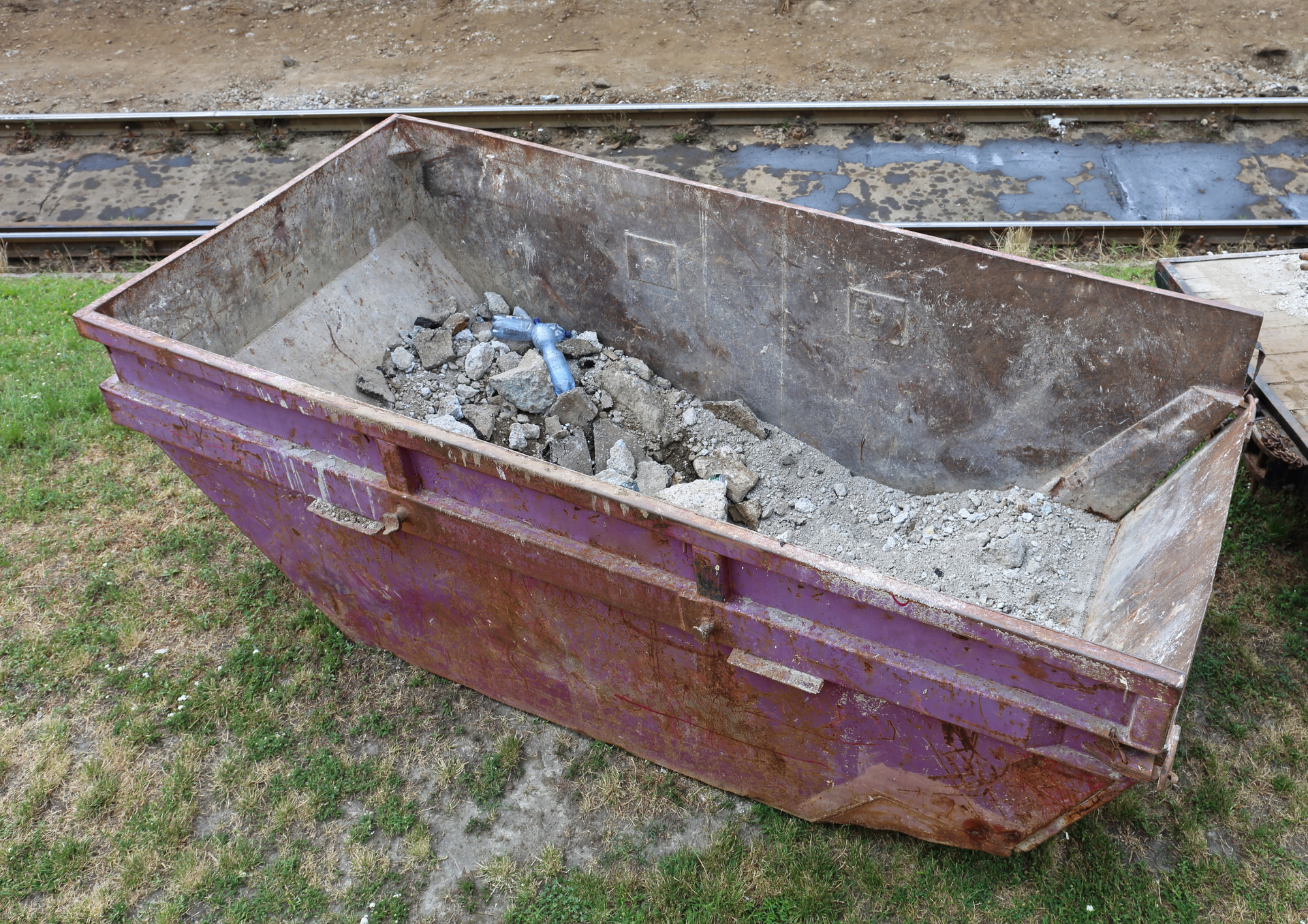
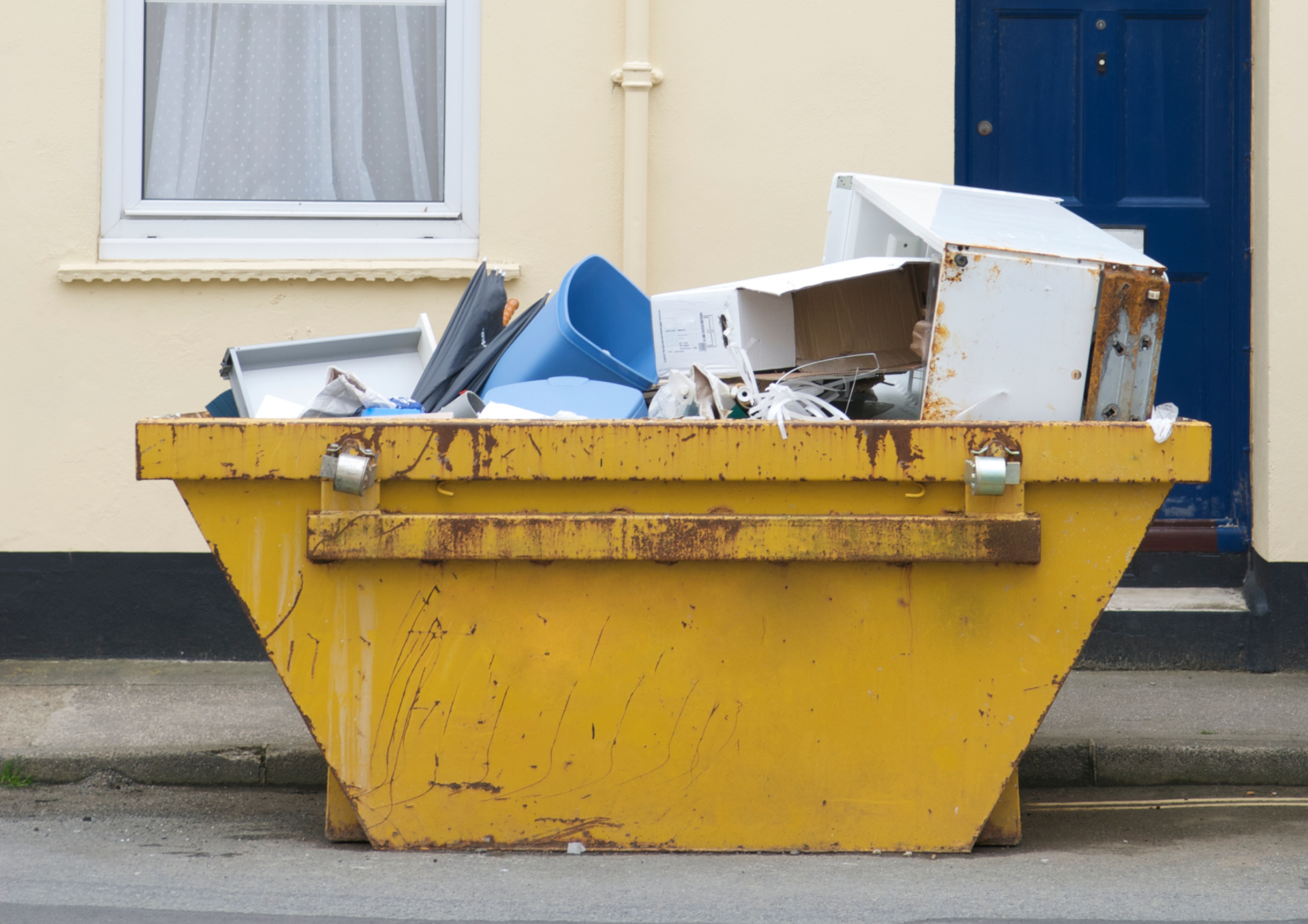
Replacing or repairing a roof creates a considerable amount of waste that must be managed carefully throughout the project. Broken roof tiles, slates, felt, timber, insulation, flashing, nails, and packaging materials can quickly accumulate, creating hazards if left scattered around the property. Using skips provides a practical way to contain roofing waste while helping keep residential, commercial, and public sector projects cleaner, safer, and better organised from start to finish.
Homeowners, landlords, surveyors, and local authorities all understand the importance of keeping building projects well organised from beginning to end. Effective waste management allows tradespeople to work more efficiently while reducing unnecessary delays caused by piles of unwanted materials. It also helps protect access routes, parking areas, gardens, and neighbouring properties from unnecessary obstruction.
Planning ahead remains one of the most important aspects of any roofing project. Before work begins, it is worth considering how much waste is likely to be produced, where it will be stored temporarily, and how it will be removed once the work is complete. These decisions help reduce disruption while allowing projects to progress more smoothly.
Planning Roofing Waste Removal Before Work Begins
Every successful roofing project starts with careful preparation. Before any old roofing materials are removed, it is helpful to assess the type and quantity of waste that will be produced. This allows suitable arrangements to be made before work starts, avoiding unnecessary interruptions once contractors are on site.
Different roofing systems create different waste streams. Traditional slate roofs may generate heavy natural stone, while modern tiled roofs often produce broken concrete or clay tiles. Flat roofing projects may involve removing felt, membranes, timber decking, insulation boards, and waterproof coverings. Some projects may also include replacing fascias, soffits, guttering, or roof windows, adding further materials to the overall waste volume.
Access to the property should also be considered during the planning stage. Narrow driveways, shared access roads, restricted parking, overhead cables, mature trees, and neighbouring buildings can all influence where waste containers are positioned. Selecting a practical location helps maintain efficient loading while minimising inconvenience to occupants and visitors.
Weather conditions may also influence roofing schedules. High winds, prolonged rainfall, or icy conditions can occasionally delay work, making it worthwhile to plan waste removal with a degree of flexibility. Good communication between property owners and contractors helps everyone remain prepared if adjustments become necessary.
For larger developments involving several buildings or phased refurbishment work, waste removal often forms part of the overall project schedule. Coordinating deliveries and collections at suitable intervals prevents containers from becoming overloaded while ensuring work areas remain tidy throughout each stage.
Residential properties benefit from organised waste management just as much as commercial sites. Families can continue using driveways, pathways, and garden areas more easily when construction debris is kept contained instead of accumulating around the property.
Landlords preparing rental properties for new tenants also benefit from efficient waste planning. Completing roofing improvements alongside responsible waste removal helps prepare properties for occupation more quickly while maintaining a professional standard throughout refurbishment works.
Surveyors overseeing maintenance programmes often recommend careful waste planning as part of wider property improvement strategies. Recording waste arrangements during project planning contributes to better site organisation and clearer project management.
Some property owners choose to order a skip before contractors arrive so waste disposal arrangements are already in place from the beginning. This helps avoid temporary stockpiles of broken materials while allowing roofing work to progress with fewer interruptions.
Understanding the Types of Roofing and Construction Debris
Roof replacement and refurbishment projects produce a variety of waste materials, many of which require careful planning before disposal. Understanding the different categories of roofing and construction debris helps property owners and contractors choose suitable skips, keeping waste organised and projects running more efficiently from start to finish.
Roofing Materials
- Broken concrete and clay roof tiles
- Natural slate
- Roofing felt and waterproof membranes
- Vapour barriers and roof coverings
Timber and Structural Components
- Roof battens
- Roof trusses
- Fascia boards and soffits
- Plywood sheets
- Structural timber supports
Metal Components
- Lead flashing
- Brackets and fixings
- Nails and screws
- Guttering and downpipes
- Roof vents and metal fittings
Insulation and Thermal Materials
- Insulation boards
- Thermal insulation products
- Older insulation removed during refurbishment
Packaging Waste
- Cardboard boxes
- Plastic wrapping
- Timber pallets
- Protective film
- Securing straps
Additional Construction Debris
- Scaffold boards
- Temporary protective coverings
- Damaged plasterboard
- Chimney materials
- Old render
- Bricks and concrete
Waste from Associated Building Work
- Guttering replacements
- Chimney repairs
- Solar panel installation materials
- Loft conversion waste
- External decoration debris
Identifying these waste categories before work begins helps projects remain organised, supports efficient waste removal, and keeps working areas cleaner throughout the roofing project.
Choosing the Right Waste Solution for Roofing Projects
Choosing the right waste solution before roofing work begins helps projects run more efficiently from start to finish. Considering the type of property, expected waste volume, site access, and day-to-day site management allows waste to be handled more effectively while supporting a cleaner and more organised working environment.
Choosing the Right Capacity
- Selecting the correct skip's capacity helps avoid unnecessary collections or unused space.
- Estimating the volume of waste before work starts supports efficient waste removal throughout the project.
Property Size and Project Scope
- Small roof repairs generally produce less waste than complete roof replacements.
- Larger residential and commercial properties often generate significantly more roofing debris.
- Partial roof repairs usually require less waste capacity than full strip and re-roof projects.
Considering Material Types
- Heavy materials such as concrete tiles, clay tiles, slate, and bricks may reach weight limits more quickly.
- Lighter materials including insulation, timber offcuts, and roofing felt occupy space without adding as much weight.
- Understanding the mix of materials helps improve loading efficiency.
Managing Multi-Trade Projects
- Roofing contractors often work alongside builders, electricians, plumbers, scaffolders, and decorators.
- Coordinated waste management helps each trade maintain an organised working area while reducing disruption.
Planning for Property Access
- Narrow roads, shared driveways, restricted parking, sloping access, and busy locations should all be considered before positioning waste containers.
- Early planning helps prevent delays once work begins.
Maintaining a Safe and Organised Site
- Keeping waste contained reduces obstructions around pathways, entrances, gardens, and scaffolding.
- Good housekeeping throughout the project supports safer movement for contractors and property occupants.
Booking Services
- Many customers value the convenience of arranging waste collection digitally and choose to skip online before roofing work is scheduled to begin.
Good Waste Management Throughout Residential and Commercial Roofing Work
Effective waste management extends beyond simply removing unwanted materials. It forms part of the overall organisation of the project and contributes to smoother working practices from the first day until completion.
Residential roofing projects often take place while families continue living at the property. Keeping waste contained helps minimise disruption and allows household routines to continue as normally as possible. Clear access to entrances, garages, driveways, and pathways remains particularly important where children, elderly residents, or visitors regularly use the property.
Commercial buildings present different challenges. Offices, retail premises, industrial units, schools, healthcare facilities, and public buildings may remain operational while roofing work takes place. Careful waste planning helps contractors work efficiently without creating unnecessary obstacles for employees, customers, or members of the public.
Landlords managing multiple properties often schedule roofing improvements between tenancies or as part of planned maintenance programmes. Completing waste removal promptly allows other refurbishment work to continue without delays, helping properties become ready for occupation sooner.
Surveyors frequently oversee maintenance schedules involving several buildings across larger estates or property portfolios. Coordinated waste management supports structured project planning while helping contractors complete work in an organised sequence.
Local authorities responsible for maintaining public buildings, community facilities, housing stock, and infrastructure projects also benefit from efficient waste planning. Coordinated collections help maintain cleaner working environments while reducing disruption to surrounding communities.
Environmental responsibility remains an important consideration for many property owners and contractors. Separating materials where appropriate allows many items to be processed responsibly after collection. Concrete, clay, timber, metals, cardboard, and certain other materials may often be handled through suitable recycling processes depending on their condition and composition.
Communication throughout the project is equally valuable. Knowing when deliveries, collections, and roofing work are scheduled allows everyone involved to plan accordingly. Contractors can coordinate workloads more effectively, while property owners remain informed about progress at each stage.
Although every roofing project is unique, careful preparation, realistic planning, and responsible waste management all contribute towards achieving a cleaner and more efficient working environment. Whether replacing damaged roof coverings, carrying out extensive refurbishments, or undertaking commercial construction work, organised waste disposal helps projects progress with fewer interruptions.
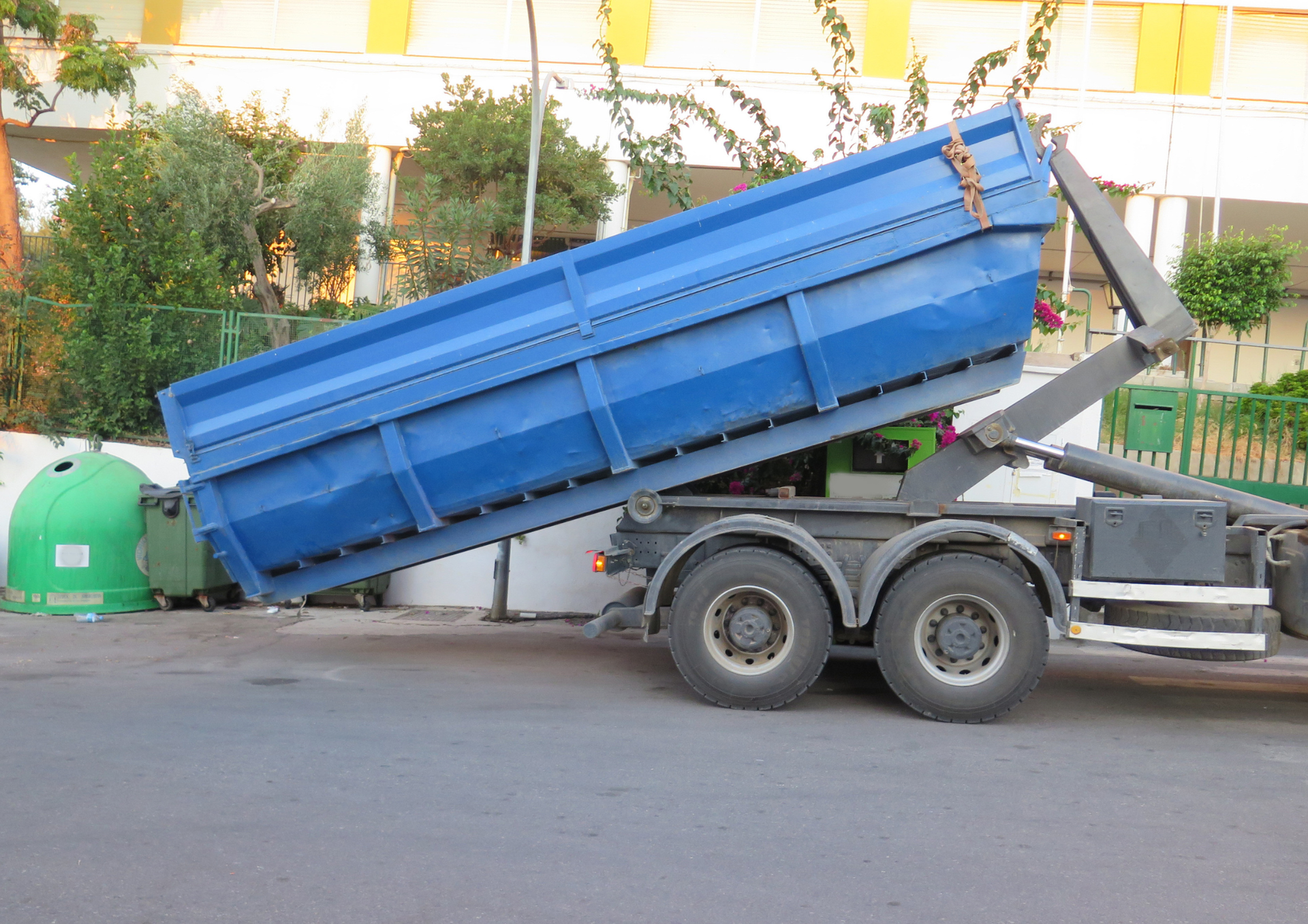
Modern skips are available in a variety of sizes to accommodate different roofing and construction requirements, making them suitable for both smaller domestic improvements and larger commercial developments.
Solihull Skip Hire
has been created to provide clear, practical, and trustworthy information that helps customers make informed decisions about waste management for roofing and construction projects. We focus on straightforward guidance that is easy to understand, allowing visitors to prepare effectively before work begins.
We regularly publish informative articles covering a wide range of property improvement and waste disposal topics, making our website a valuable resource for homeowners, landlords, surveyors, local authorities, and businesses. Every guide is written in clear British English with an emphasis on useful advice rather than unnecessary jargon.
Whether you are planning a minor roof repair or a major refurbishment, our website offers reliable information to help you understand your options, organise your project efficiently, and achieve a cleaner working environment from start to finish.
Latest Post on X:
Skips solutions for roofing waste and construction debris.
You might also like